3 things to know about buy now, pay later vs a personal loan
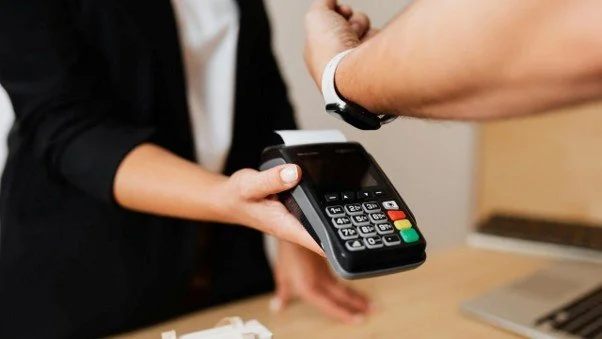
Buy now, pay later services have become a familiar part of how many Australians pay for things, from clothing and electronics to medical bills and car repairs.
For smaller purchases, in particular, they can be very appealing with instant access, no interest, and repayments spread over a few weeks.
However, as the number of people borrowing through these platforms has grown, so too has the question of whether a personal loan might actually be a better fit. The two products work differently, and the right choice depends on what you’re buying, how much you need, and how you plan to manage repayments.
Here are three things worth understanding before you decide which option to use.
Buy now, pay later can be cost-effective if you pay on time
Most buy now, pay later platforms charge no interest, which sounds great. But they do charge late fees if you miss a repayment, and those fees can add up quickly if you have multiple active orders running at once. Some platforms also charge account-keeping or payment processing fees depending on the plan you choose.
For a small, one-off purchase that you can comfortably repay within the interest-free window, buy now, pay later can be a good low-cost option. The challenge comes when the repayments don’t align with your cash flow, or when you’re juggling several purchases at once.
It’s also worth being aware that some buy now, pay later providers now offer longer repayment terms with interest charges attached, which changes the cost equation considerably.
Personal loans are better suited to larger amounts
Buy now, pay later platforms typically cap borrowing limits at a few thousand dollars, and repayment windows are usually short - often four fortnightly instalments or a few months at most. For larger purchases, this can put real pressure on your budget.
A personal loan allows you to borrow a larger amount and repay it over a term that suits your financial situation, typically anywhere from one to seven years. While interest does apply, spreading the repayments over a longer period can make the monthly cost more manageable than trying to clear a large buy now, pay later balance in a matter of weeks.
For expenses like a car repair, home appliance, a medical procedure or travel, a personal loan often provides a more structured way to borrow.
Buy now, pay later activity can affect your ability to borrow
One thing many people don’t realise is that buy now, pay later commitments can be taken into account when lenders assess a loan or mortgage application. Even if each individual purchase seems small, multiple active repayment schedules can signal to a lender that your disposable income is more limited than your bank statements alone might suggest.
In 2024, buy now, pay later providers in Australia became subject to the National Consumer Credit Protection Act, meaning they are now required to conduct credit checks in certain circumstances. This also means that missed payments or defaults through these platforms may now appear on your credit file.
If you’re planning to apply for a home loan or other significant finance in the near future, it’s worth being mindful of how your buy now, pay later usage might be viewed by a lender.
If you’re unsure which option makes the most sense for what you need, a finance broker can help you compare your options across a range of personal loan products and lenders.